 Boer History
The Persecution and Arrival of the French Huguenots
French Huguenot Persecution in France
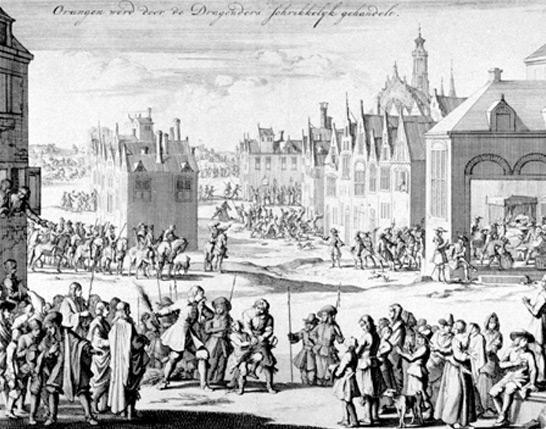
The persecution of the French Huguenots, Protestant followers of John Calvin's Reformed teachings, represents one of the most intense episodes of religious intolerance in early modern European history. Originating in the mid-16th century amid the French Wars of Religion (1562–1598), Huguenots faced intermittent violence and discrimination despite comprising a significant minority—estimated at 7–10% of France's population by the late 16th century, concentrated in urban areas and southern regions like Languedoc, Dauphiné, and Provence. Many were skilled artisans, merchants, farmers, and professionals, forming a prosperous middle class that contributed disproportionately to France's economy.
The turning point came with the Edict of Nantes, signed by King Henry IV on April 13, 1598. A former Huguenot who converted to Catholicism to secure the throne, Henry issued this edict to end decades of civil war that had devastated the kingdom. It granted Huguenots substantial rights: freedom of worship in designated areas, access to public office, civil equality, and military strongholds for protection. While upholding Catholicism as the state religion, the edict promoted civil unity and was registered as a "fundamental and irrevocable law." Supplementary brevets provided subsidies for Protestant pastors and garrisons. For nearly a century, it ensured relative peace, though Catholic clergy and hardliners never fully accepted it, viewing Protestantism as heresy.
Under Louis XIII (r. 1610–1643) and his minister Cardinal Richelieu, pressures mounted. The Peace of Alès in 1629, following Huguenot rebellions, stripped Protestants of military and political privileges while retaining religious freedoms. Churches were demolished in some areas, and conversions were encouraged through incentives. Louis XIV (r. 1643–1715), the "Sun King," inherited a centralized absolutist monarchy and sought complete religious uniformity to bolster royal authority. Influenced by devout Catholic advisors and his confessor Père La Chaise, he viewed the Huguenots' existence as a challenge to "one king, one law, one faith."
Persecution escalated gradually. From the 1660s, legal restrictions eroded the Edict: Protestant schools and hospitals closed, mixed marriages invalidated, and children from age seven could abjure Protestantism and be removed from parents. Catholic conversions to Protestantism were banned, and Huguenot access to professions limited. By 1681, Louis XIV intensified efforts with the infamous dragonnades. Coined from the dragoons (mounted infantry) involved, this policy quartered unruly soldiers in Huguenot homes, granting them license to loot, destroy property, and terrorize families. Starting in Poitou under intendant René de Marillac, it spread to regions like Béarn, Languedoc, and Dauphiné. Soldiers were billeted indefinitely until conversion certificates were produced, often involving violence, rape, and torture. Whole towns converted en masse to avoid ruin; estimates suggest 300,000–400,000 abjured under duress, receiving financial rewards and tax exemptions.
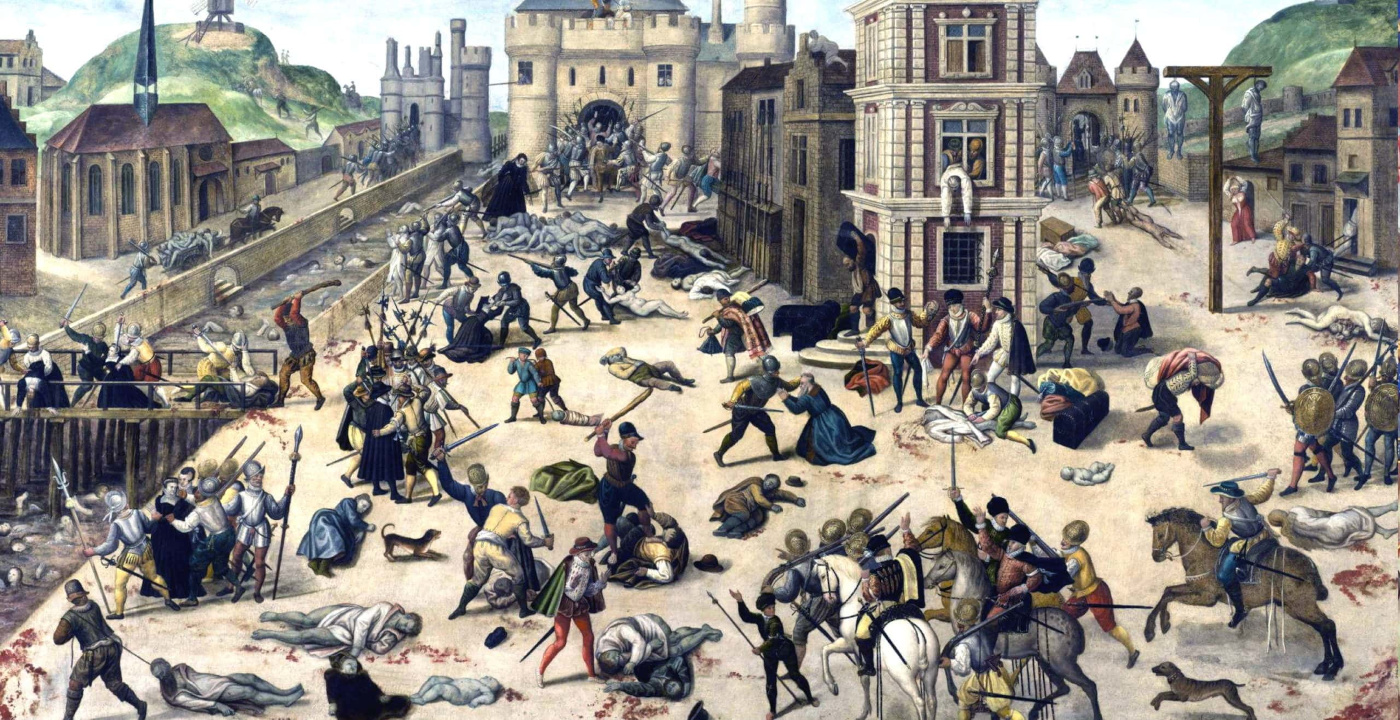
Despite these "successes," resistance persisted. Louis XIV, informed that Protestantism was nearly eradicated, revoked the Edict of Nantes with the Edict of Fontainebleau on October 18, 1685, signed at his palace. This declared the edict redundant due to mass conversions and outlawed Protestantism entirely. Key provisions included: destruction of remaining Huguenot temples (churches), closure of schools, exile of pastors within 15 days (unless they converted), prohibition of private worship, mandatory Catholic education for children, and a ban on emigration for lay Huguenots—punishable by galley slavery or death. Pastors converting received pensions; defiant ones faced execution.
The revocation triggered a mass exodus, known as the Refuge. Despite border guards and severe penalties, 200,000–300,000 Huguenots fled illegally over decades, often via perilous mountain passes or sea routes. They lost property (confiscated or sold cheaply) and risked capture. Destinations included the Dutch Republic, England, Brandenburg-Prussia, Switzerland, Geneva, and even North America and the Cape Colony. France suffered a "brain drain": skilled workers in silk weaving, clockmaking, glassmaking, and viticulture emigrated, boosting competitors' economies—e.g., Prussian silk industry or English manufacturing.
The persecution's legacy was profound: it weakened France economically and demographically while dispersing Huguenot expertise across Protestant Europe. Only in 1787, with the Edict of Versailles under Louis XVI, were limited rights restored, paving the way for full emancipation during the French Revolution. The dragonnades and revocation remain symbols of state-sponsored religious terror, highlighting the dangers of absolutism and intolerance.
Arrival,Contributions to Agriculture and Viticulture
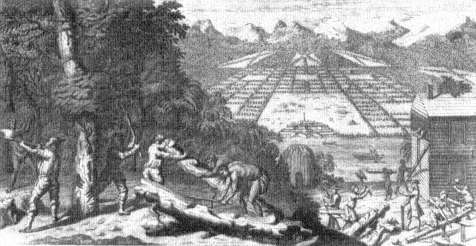
The arrival of French Huguenot refugees at the Cape was organized by the Dutch East India Company, beginning in earnest in 1688. The first ship, the Voorschoten, sailed from Delftshaven on December 31, 1687, and arrived at Saldanha Bay on April 13, 1688, before proceeding to Table Bay, carrying twenty-two refugees including families like Charles Marais and his wife Catherine Taboureux with their four children, as well as bachelors such as Philippe Fouché, Jacques Pinard (a carpenter), Etienne Bruère (a waggon-maker), and others skilled in various trades. [1]
Subsequent arrivals included the Oosterland from Middelburg on January 29, 1688, reaching Table Bay on April 26, 1688, with twenty-four refugees such as Jacques de Savoye and his family, Jean Prieur du Plessis (a surgeon) with his wife, and Isaac Taillefer (a vinedresser) with his wife and six children. The Borssenburg arrived on May 12, 1688, with nineteen refugees, though specific names are not detailed. The China, departing Rotterdam on March 20, 1688, arrived on August 4, 1688, after a seven-month voyage marked by twelve deaths, carrying individuals like Jean Mesnard and his family, and several orphan girls from Rotterdam. Finally, the Zuid-Beveland from Middelburg on April 22, 1688, arrived on August 19, 1688, bringing the Reverend Pierre Simond and his wife, though eight drowned in a boat capsizing incident. [1]
By 1690, approximately 176 refugees had settled, as per the list of those receiving aid from the Batavia fund, though Cape records note 155 excluding Company servants and those intermarried. Governor Simon van der Stel allocated freehold farms of about sixty morgen (approximately 127 English acres) each, primarily in the Drakenstein valley (now Paarl and Franschhoek), interspersed with Dutch settlers to promote assimilation. Farms were 600 roods deep and 60 roods wide, with twenty-three initial grants in Drakenstein on October 16, 1688. Many farms retained French names like La Provence, Champagne, Bourgogne, and Picardie. [1]
The Huguenots made immediate contributions to agriculture and viticulture. Many were vinedressers from wine-producing regions, introducing superior grape varieties and techniques that expanded vine plantings from about 100,000 in 1688 to over 1,500,000 by 1691. They improved wine and brandy quality, which had been poor since Jan van Riebeeck's initial efforts in 1655. Efforts in olive cultivation were attempted but ultimately failed. They also advanced wheat, barley, maize, fruit orchards, livestock breeding, vegetable gardens, and crafts like cooperage and wagon-making, transforming the Cape into a more productive colony. [1]
Rapid Assimilation and the Enduring Boer Legacy
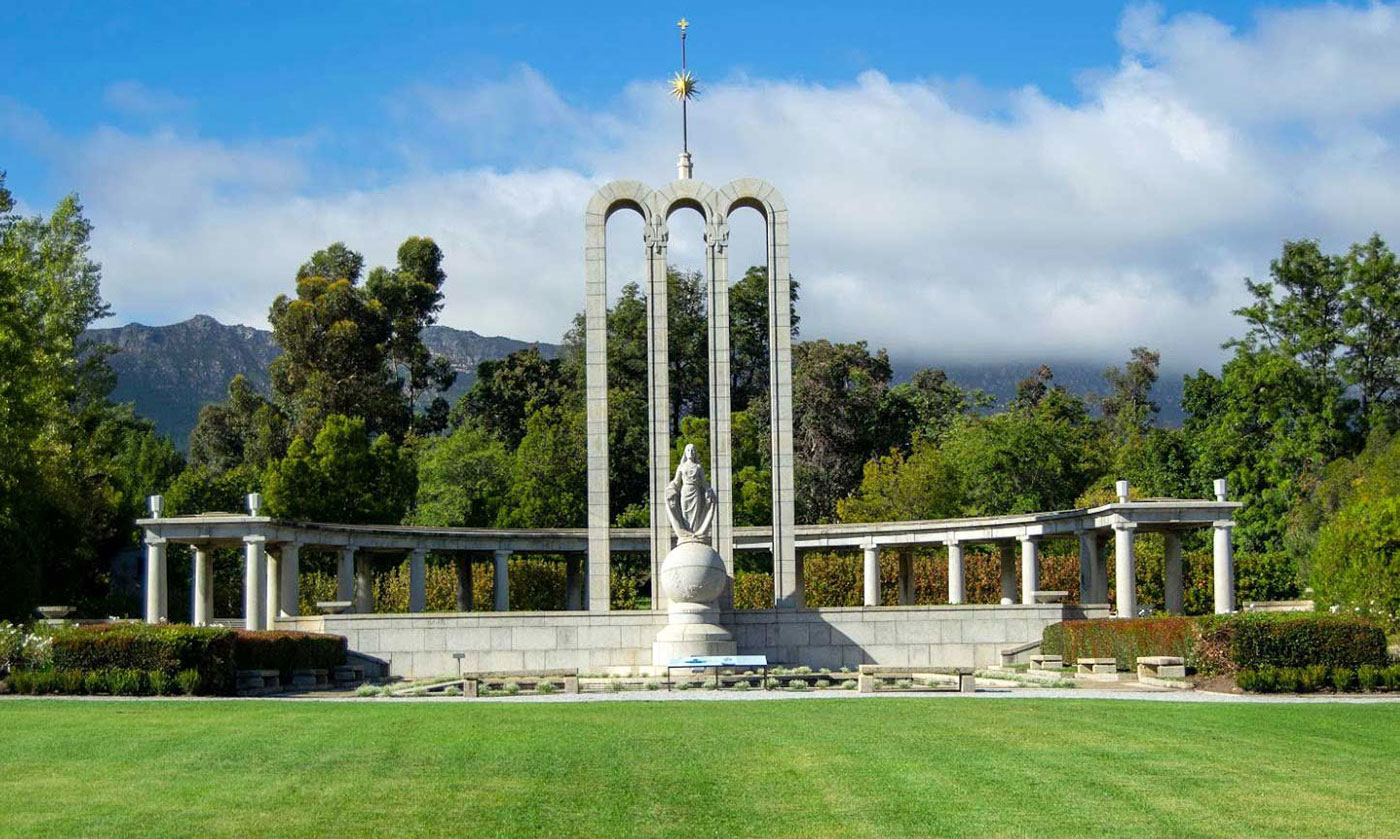
Assimilation was rapid due to shared Calvinist faith and Company policies. French church services were held initially by Reverend Pierre Simond, alternating with Dutch readings by Mankadan. A school opened in Drakenstein on November 8, 1688, with Paul Boux as master. However, tensions arose over dispersal and lack of a separate congregation, leading to grievances addressed by a deputation in 1689. By June 1691, a separate Drakenstein church was approved with conditions for oversight. Dutch became mandatory in schools and official services by the early 18th century, and intermarriages were common. [1]
The Huguenots' legacy included surnames like de Villiers, du Toit, Joubert, le Roux, Malan, and Retief, which persisted among the emerging Boer population. Their skills and resilience enriched the colony's Dutch-German base, contributing to inland expansion as trekboers. Support from the Batavia fund in April 1690 aided 176 individuals, with detailed distributions including 750 gulden to Pierre Lombard and family, down to smaller amounts for bachelors and orphans, totaling significant assistance for integration. [1]
.