 Boer History
1. Van Riebeeck Society
The Van Riebeeck Society, founded in 1918, stands as one of South Africa’s most important historical institutions. For over five decades it systematically published rare and previously unpublished primary sources on the history of the Cape Colony. Its First Series (1918–1969) comprises 50 carefully edited volumes containing journals, letters, official reports, and eyewitness accounts. These publications remain essential primary sources for scholars studying the Dutch East India Company period and the foundations of South African society.
Sources
Journal of Jan van Riebeeck (edited by H.B. Thom)
- Journal of Jan van Riebeeck – Volume I (1651–1655) — Edited by H.B. Thom
English edition of the Daghregister covering the outward voyage and the first years of the Cape refreshment station under Jan van Riebeeck - Journal of Jan van Riebeeck – Volume II (1656–1658) — Edited by H.B. Thom
Continuation of the official journal through the free-burgher settlement, early slave arrivals, and growing stock trade on the Cape Flats - Journal of Jan van Riebeeck – Volume III (1659–1662) — Edited by H.B. Thom
Final years of van Riebeeck’s command, including frontier war, fortification, and the handover of the Cape command
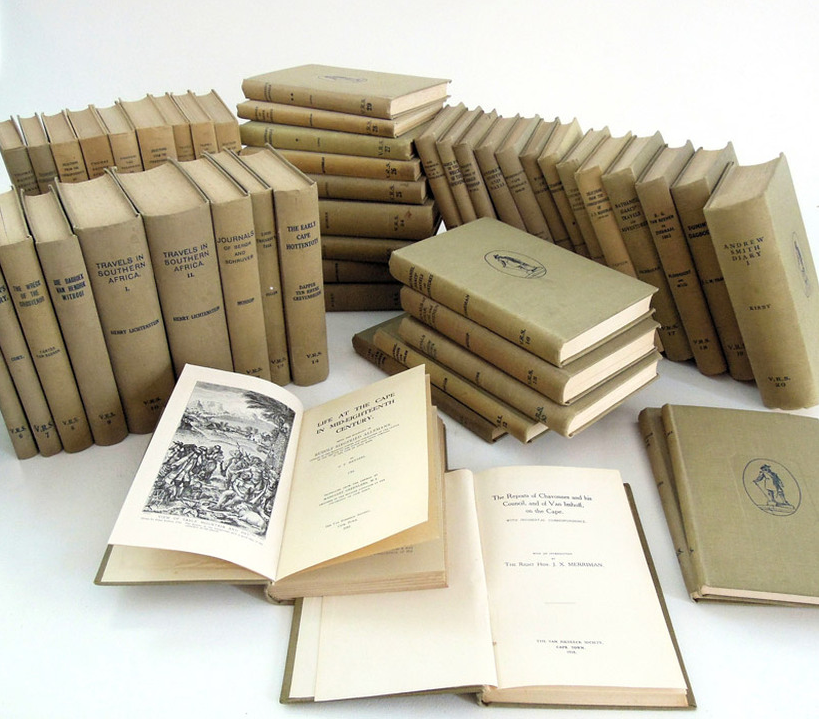
Van Riebeeck Society
| Founded | 1918 |
|---|---|
| Series I | Volumes 1–50 (1918–1969) |
| Purpose | Publication of primary sources on South African, especially Cape Dutch, history |
| Status | Essential primary source collection |
First Series, Volumes 1–50 (1918–1969)
Complete First Series (Series I), Volumes 1–50 (1918–1969). Titles and notes follow the Historical Publications Southern Africa (HIPSA / formerly Van Riebeeck Society) catalogue.
- Reports of De Chavonnes and his Council, and of Van Imhoff, on the Cape — Van Riebeeck Society First Series, Vol. 1 (1918)
Written in Dutch, with translations in English, according to John X Merriman, one of the founders of the society, these documents deal 'with matters that Dr Theal characterized as, probably, of the greatest importance to the European Settlement in this country'. - Mentzel, O.F. - Life at the Cape in the mid-eighteenth century, being the biography of Rudolph Siegfried Allemann, Captain of the Military Forces at the Cape of Good Hope — Van Riebeeck Society First Series, Vol. 2 (1919)
This 'biography' of Allemann is, in fact, an entertaining account of social life at the Cape during the mid-18th century. The topics range from the structure of the military forces to the life of slaves, and the revolt of Etienne Barbier to shipwrecks and the financial prospects… - De Mist, J.A. - Memorandum containing recommendations for the form and administration of government at the Cape of Good Hope, 1802 — Van Riebeeck Society First Series, Vol. 3 (1920)
This report by De Mist, prepared and completed in January 1802 in Amsterdam, recommends changes to be made to the government of the Cape during the critical years between the two British occupations. - Mentzel, O.F. - A geographical-topographical description of the Cape of Good Hope. Part I — Van Riebeeck Society First Series, Vol. 4 (1921)
The first of three volumes by Mentzel on conditions at the Cape as he found them in the mid-18th century. Mentzel intended to correct the errors perpetrated by such earlier travellers as Kolb. - Collectanea — Van Riebeeck Society First Series, Vol. 5 (1922)
A collection of various documents relating to the Cape and Natal (1695-1710) - Mentzel, O.F. - A geographical-topographical description of the Cape of Good Hope. Part II — Van Riebeeck Society First Series, Vol. 6 (1924)
The second part of Mentzel's account of life at the Cape ranges widely, from revenues available to the Cape government, to the daily life of the burghers, public auctions and the treatment of slaves. - The Diary of the Rev. F. Owen, Missionary with Dingaan, together with the accounts of Zulu affairs by the interpreters, Messrs. Hully and Kirkman — Van Riebeeck Society First Series, Vol. 7 (1926)
Owen produced one of the best-known descriptions of life in Dingaan's kraal, including an account of the Retief massacre, of which he was the only white witness. - The Wreck of the Grosvenor — Van Riebeeck Society First Series, Vol. 8 (1927)
Containing a narrative of the loss of the Grosvenor, East Indiaman, wrecked on the Coast of Caffraria, 1782; compiled by Mr George Carter, from the examination of John Hynes, one of the survivors, London, 1791; - Die Dagboek van Hendrik Witbooi, Kaptein van die Witbooi-Hottentotte, 1884-1905 — Van Riebeeck Society First Series, Vol. 9 (1929)
Hendrik Witbooi, who had been born at Pella, south of the Orange River, was trained as an evangelist. Subsequently he moved north to Gibeon in Namibia where he established himself as a powerful figure, conducting campaigns against the Herero, many of whom were subordinated to… - Lichtenstein, Henry - Travels in Southern Africa in the years 1803 - 1806; by Henry Lichtenstein: Vol I — Van Riebeeck Society First Series, Vol. 10 (1930)
Lichtenstein was a German doctor who travelled widely through the Cape, commenting on the landscape and economy of the people whom he encountered. - Lichtenstein, Henry - Travels in Southern Africa in the years 1803 - 1806; by Henry Lichtenstein; Vol II — Van Riebeeck Society First Series, Vol. 11 (1930)
In this second volume Lichtenstein returned to Cape Town via Graaff Reinet and the Karroo. Subsequently he returned to the Swellendam district. His last journey took him north to Kuruman where he encountered the Koranna and the Bechuana. - Journals Of The Expedition Of The Honourable Ensign Olof Bergh 1682 And 1683 And Isaq Schrijver 1689 — Van Riebeeck Society First Series, Vol. 12 (1931)
The Swede, Olof Bergh, was one of the earliest travellers to undertake the journey up to Namaqualand. The purpose of his journeys was to negotiate with the 'Sousequase and Gourisse Hottentots' , to trade and to familiarise himself with the region up the Cape west coast. - Louis Trigardt's Trek across the Drakensberg, 1837-1838 — Van Riebeeck Society First Series, Vol. 13 (1932)
This volume reconstructs Trigardt's journey into Natal, using his diary as the basis for this journey. It also records his comments about the people he encountered en route. - The Early Cape Hottentots Described In The Writings Of Olfert Dapper 1688 William Ten Rhyne 1686 And Johannes Guilielmus De Grevenbroek 1695 — Van Riebeeck Society First Series, Vol. 14 (1933)
Most early travellers to the Cape included some account of the local Khoisan societies. The three works published here are more comprehensive than most, giving a reasonable idea of the state of knowledge about indigenous peoples in the Western Cape by the end of the 17th… - The Journal Of Hendrik Jacob Wikar 1779 With An English Translation By A W Van Der Horst And The Journals Of Jacobus Coetse Jansz 1760 And Willem Van Reenen 1791 — Van Riebeeck Society First Series, Vol. 15 (1935)
These journals were published originally in Molsbergen's Reizen in Zuid Afrika. Wikar's report is an account of the daily life and adventures of the first European who is known to have journeyed along the Orange River, while that of Jansz records the first European crossing of… - Travels and Adventures in Eastern Africa by Nathaniel Isaacs; Vol. I — Van Riebeeck Society First Series, Vol. 16 (1935)
Isaacs' journal is one of the earliest European accounts of Natal and the Zulu kingdom. The first volume opens in 1825 when Isaacs first went to Natal. Most of the volume is devoted to an extended description of Shaka and his society and culture. - Travels and Adventures in Eastern Africa by Nathaniel Isaacs; Vol. II — Van Riebeeck Society First Series, Vol. 17 (1936)
Isaac’s journal is one of the first reports of a European on Natal and the kingdom of the Zulus. The first volume begins in 1825 when Isaacs went to Natal for the first time. The major portion of the text consists of a detailed description of Shaka, his society and culture. - Die Joernaal van Dirk Gysbert van Reenen, 1803 — Van Riebeeck Society First Series, Vol. 18 (1937)
This is an account of a journey in to the Eastern Cape undertaken by the Governor of the Cape, J.W. Janssens and Capt Paravicini de Capelli, recorded by D.G. van Reenen. - Die Duminy Dagboeke With English Translation — Van Riebeeck Society First Series, Vol. 19 (1938)
The Duminy diaries consist of the diary of Johanna Margareta Duminy (1797), the journal of François Duminy of his visit to the Caledon Baths and the Bok river (9 November 1810 to 4 March 1811), the journal of François Duminy's expedition to Walfish Bay in 1793 and Sebastian… - The Diary of Dr Andrew Smith, director of the 'Expedition for exploring Central Africa', 1834-6; Vol. I — Van Riebeeck Society First Series, Vol. 20 (1939)
Andrew Smith, an army doctor, arrived in the Cape in 1820, remaining there until 1837. The expedition to Central South Africa was undertaken to find out more about the people living to the north. - The Diary of Dr Andrew Smith, director of the 'Expedition for exploring Central Africa', 1834-6; Vol. II — Van Riebeeck Society First Series, Vol. 21 (1940)
The second volume of Smith's diary picks up the expedition with descriptions of Baralong social life. The party travelled through the northern Cape to Mafeking and onto Mosega. - The Narrative of Private Buck Adams, 7th (Princess Royal's) Dragoon Guards on the Eastern Frontier of the Cape of Good Hope, 1843-1848 — Van Riebeeck Society First Series, Vol. 22 (1941)
An unusual account of military life on the Eastern Frontier from the perspective of a common soldier. Adams wrote his account in 1884, forty years after his service in South Africa. The editor observes that 'His improbable tales have proved substantially true on investigation'. - Willem Stephanus van Ryneveld se Aanmerkingen over de verbetering van het vee aan de Kaap de Goede Hoop, 1804 — Van Riebeeck Society First Series, Vol. 23 (1942)
This volume touches on one of the most important aspects of South African economic history before the discovery of diamonds and gold. It is an early study of the livestock industry at the Cape, especially the development of the merino sheep industry. - M.D. Teenstra - De vruchten mijner werkzaamheden, gedurende mijne reize over de Kaap de Goede Hoop, naar Java en terug, over St Helena, naar de Nederlanden, 1830 — Van Riebeeck Society First Series, Vol. 24 (1943)
M.D. Teenstra was a Dutch gentleman-farmer, who visited the Cape in 1825. During the course of his stay he went for a cure at the Caledon baths, and visited Genadendal and Cape Agulhas, returning to Cape Town via Franschhoek and Stellenbosch. - Mentzel, O.F. - A geographical-topographical description of the Cape of Good Hope. Part III — Van Riebeeck Society First Series, Vol. 25 (1944)
In this third volume of Mentzel's account of life at the Cape he travelled into the interior, to Stellenbosch and Swellendam. He comments on agriculture and viticulture, as well as hunting. The final chapters discuss the Khoi inhabitants.
- South African Journal of John Sheddon Dobie, 1862-6 — Van Riebeeck Society First Series, Vol. 26 (1945)
After emigrating to Australia twice, where he had acquired experience in sheep farming, in 1862 Dobie emigrated to Natal, intending to bring sheep farming to Natal. He had little success and left Natal in 1866 for South America. - The Chronicle of Jeremiah Goldswain, Albany Settler of 1820: Vol. I — Van Riebeeck Society First Series, Vol. 27 (1946)
Jeremiah Goldswain's journals, written phonetically in his mid-English dialect, have been a source of interest to linguists as well as historians. A sawyer from Buckinghamshire, Goldswain migrated to the Eastern Cape in 1820. - The Journal Of Carel Frederik Brink Of The Journey Into Great Namaqualand 1761 2 Made By Captain Hendrik Hop And The Journal Of The Journey Of Ensign Johannes Tobias Rhenius 1724 — Van Riebeeck Society First Series, Vol. 28 (1947)
Hendrik Hop was a Stellenbosch farmer who led a pioneering journey into Namaqualand. The account of the journey is told by the Cape surveyor and map-maker, Carel Brink. - The Chronicle of Jeremiah Goldswain, Albany Settler of 1820; Vol. II — Van Riebeeck Society First Series, Vol. 29 (1948)
In the second volume of his journal, Goldswain described the increasing tension between black and white on the frontier, his experiences as a trader, and his relations with his own family, including their medical treatment. His journal is most attractive for its naïve frankness. - Journals of Andrew Geddes Bain, trader, explorer, soldier, road engineer and geologist — Van Riebeeck Society First Series, Vol. 30 (1949)
Andrew Geddes Bain is best known for his building of Cape roads and passes. His diaries, from 1826 to the 1840s, were both working journals and accounts of his experiences and descriptions of the people he encountered in the course of his work. - Letters of the American Missionaries, 1835-1838 — Van Riebeeck Society First Series, Vol. 31 (1950)
The American Board of Commissioners for Foreign Missions was one of the last missionary societies to begin work in South Africa. Since the Cape Colony was well-populated with missionaries, the Americans concentrated initially on the Matabele in the Transvaal, and on Natal. - Die Konvensie-dagboek van Sy Edelagbare François Stephanus Malan — Van Riebeeck Society First Series, Vol. 32 (1951)
F.S. Malan, at one time editor of 'Ons Land', was a Cape delegate to the National Convention in Durban, which negotiated the terms of the Union of South Africa. - Die Dagboek Van H A L Hamelberg In Die Kaap En Oranje Vrystaat 1855 71 — Van Riebeeck Society First Series, Vol. 33 (1952)
H.A.L. Hamelberg was a Hollander who visited the Cape in 1855, remaining there for six months. Subsequently he undertook a journey from Cape Town to Bloemfontein where he spent about seven years. The journal covers the earlier events in more detail - A Source Book on the Wreck of the Grosvenor East Indiaman — Van Riebeeck Society First Series, Vol. 34 (1953)
This volume is a companion to The Wreck of the Grosvenor, published by the VRS in 1927. It includes various accounts of the wreck, the journal of William Hubberly, a survivor of the wreck, as well as some Dutch material on the event. - The Narrative and Journal of Gerald McKiernan in South-West Africa during the years 1847-70 — Van Riebeeck Society First Series, Vol. 35 (1954)
Gerald McKiernan was an American trader, operating in South West Africa in the last decade before German colonial rule. The manuscript consists of a narrative of 5 years' travel in Africa, from 1875 to 1879, and a diary which he kept from 1877 to 1879. - Andrew Smith and Natal: documents relating to the early history of the Province — Van Riebeeck Society First Series, Vol. 36 (1955)
Andrew Smith, a British doctor, journeyed to Natal in 1832, ostensibly for scientific purposes, but almost certainly operating under instructions. - The Cape Journals of Archdeacon N.J. Merriman, 1848-55 — Van Riebeeck Society First Series, Vol. 37 (1956)
Archdeacon Merriman was appointed Archdeacon of Grahamstown by Bishop Robert Gray in 1848. his instructions were to expand the church in the Eastern Cape by establishing new congregations and building churches in the small townships. - Maleo en Sekoekoeni — Van Riebeeck Society First Series, Vol. 38 (1957)
Dr Theodor Wangemann was a director of the Berlin Missionary Society who came out to South Africa in 1866 to visit the mission stations throughout the country. - The Reminiscences of Sir Walter Stanford; Vol. I — Van Riebeeck Society First Series, Vol. 39 (1958)
Sir Walter Stanford served for many years in the Native Affairs Department of the Cape Colony, retiring in 1907, when he began to write his memoirs. - The Journal of Joseph Tindall, missionary in South-West Africa, 1839-55 — Van Riebeeck Society First Series, Vol. 40 (1959)
Joseph Tindall, a Wesleyan missionary, worked in South-West Africa, initially with Jonker Afrikaner in Damaraland. His journal includes much information about local customs and conflicts between Damara groups. This work lacks the usual historical introduction. - Selections from the Correspondence of J.X. Merriman Vol I, 1870-1890 — Van Riebeeck Society First Series, Vol. 41 (1960)
John X. Merriman, son of Archdeacon Merriman, was one of the most brilliant politicians at the Cape. His long political career spanned most of the major political events of the late-19th and early 20th-century, culminating in the prime minister's office just before Union in… - Journal of Residence in Africa, 1842-1853, by Thomas Baines: Vol. I — Van Riebeeck Society First Series, Vol. 42 (1961)
Thomas Baines was one of South Africa's most notable artists, recording many historical events, which he meticulously recorded both with brush and with pen. This volume covers many of his journeys in the eastern Cape, with the Liddle expedition and on his own. - The Reminiscences of Sir Walter Stanford; Vol. II — Van Riebeeck Society First Series, Vol. 43 (1962)
Stanford's second volume of reminiscences records his life in Pondoland as chief magistrate, up to its annexation, the impact of the South African War, the creation of Ndabeni, Cape Town's first location and the Native Affairs Commission of 1904. - Selections from the Correspondence of J.X. Merriman Vol II, 1890-1898 — Van Riebeeck Society First Series, Vol. 44 (1963)
Vol.II covers the first Rhodes' ministry, of which Merriman was Colonial Treasurer, his break with Rhodes and the period leading up to the South African war, including the Jameson Raid. - Journal of Residence in Africa, 1842-1853, by Thomas Baines: Vol. II — Van Riebeeck Society First Series, Vol. 45 (1964)
Vol. II covers the Vaal River Expedition of 1850, in which Baines travelled through the Orange Free State and up to Potchefstroom. It concludes with the 8th Frontier War from 1850 to 1851. - Reize in de Binnen-Landen van Zuid-Africa. Gedaan in den Jaare 1803 door W.B.E. Paravicini di Capelli, Kapitein Aide de Camp, by den Gouverneur van de Caap de Goede Hoop — Van Riebeeck Society First Series, Vol. 46 (1965)
Paravicini di Capelli was an artillery-captain at the time of the Batavian Republic and aide-de-camp of the Cape governor, General Jan Willem Janssens. - Selections from the Correspondence of J.X. Merriman, Vol III (1899-1904) — Van Riebeeck Society First Series, Vol. 47 (1966)
Vol. III covers the period of the South African War, including Merriman's participation in the pro-Boer Schreiner ministry, and a period in opposition. During this time he fought against the suspension of the Cape constitution and for a fair deal for Cape rebels. - Travels and Adventures in South Africa by George Thompson, 1823-24; Vol. I — Van Riebeeck Society First Series, Vol. 48 (1967)
George Thompson, who arrived in the Cape about 1818, was a successful merchant in Cape Town. He married a Dutch woman and travelled widely in southern Africa in the early years of the 19th century. - Travels and Adventures in Southern Africa by George Thompson, 1823-24; Vol. II — Van Riebeeck Society First Series, Vol. 49 (1968)
This second volume of Thompson's travels covers a journey to the 'country of the bushmen, Korannas, and Namaquas', in the Roggeveld and Namaqualand. - Selections from the Correspondence of J.X. Merriman Vol IV, 1905-1924 — Van Riebeeck Society First Series, Vol. 50 (1969)
The final volume of Merriman's correspondence deals with the making of Union, including his views on constitution-making, and his period as prime minister of the Cape Colony.
2. Dr. A.J. Boeseken
Dr. Anna Jacoba Boeseken (1904–1997) was a pioneering South African historian and archivist. She was the first woman to obtain a Doctorate in Literature (D.Litt) from Stellenbosch University. Boeseken spent decades working in the Cape Archives, where she became one of the foremost authorities on the Dutch East India Company (VOC) period. Her meticulous transcriptions, translations, and interpretations of original Dutch documents have preserved invaluable primary sources for future generations. Her landmark biography Jan van Riebeeck en sy Gesin remains a standard reference, while her numerous edited collections of VOC records continue to form the bedrock of serious scholarship on the early Cape.
Sources
- Jan van Riebeeck en sy Gesin deur A.J. Boeseken (1974)
Definitive biography covering the Company’s instructions, van Riebeeck’s arrival, the first fort, family life, political and economic challenges, and his legacy at the Cape - Memoriën en Instructiën (1657–1699) – Edited by A.J. Boeseken
Important collection of official VOC directives and memoranda - Resolusies van die Politieke Raad (8 volumes) – Edited by A.J. Boeseken
Complete records of the Council of Policy at the Cape - Kaapse Plakkaatboek (6 volumes) – Edited by A.J. Boeseken & others
Official proclamations and edicts of the Cape Colony - Dagboek en Briewe van Zacharias Wagenaer – Edited by A.J. Boeseken
Journal and letters of an early Cape commander - Slaves and Free Blacks at the Cape 1658–1700 – A.J. Boeseken
Groundbreaking study on slavery and manumission in the early Cape - The Archives Year Book for South African History – Multiple contributions
by A.J. Boeseken
Extensive scholarly articles on VOC administration and Cape social history
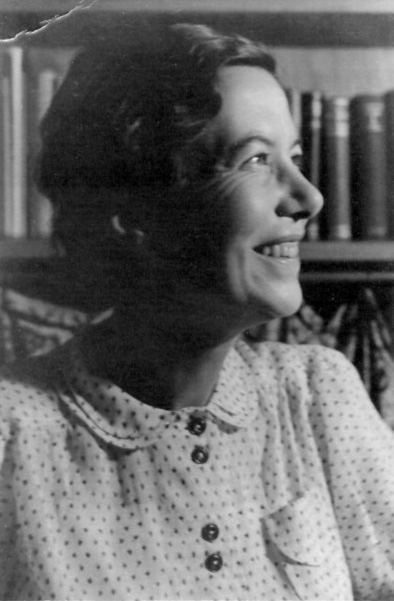
A.J. Boeseken
| Born | 31 October 1904 Stellenbosch, South Africa |
|---|---|
| Died | 6 October 1997 (aged 92) Cape Town, South Africa |
| Occupation | Historian, Archivist, Author |
| Known for | Authoritative studies on the VOC Cape and meticulous editing of primary sources |
3. George McCall Theal
George McCall Theal (1837–1919), born in Canada, became South Africa’s most prolific and influential historian of the late 19th and early 20th centuries. After settling in the Cape, he dedicated his life to collecting historical documents from archives across Europe and South Africa. Appointed Colonial Historiographer, Theal produced a monumental multi-volume History of South Africa series, along with dozens of carefully edited collections of original records. His tireless efforts in locating, transcribing, and publishing primary sources laid a lasting foundation for South African historiography and remain indispensable to researchers today.
Sources
- History of South Africa 1486–1691 Vol. 1 by George McCall Theal (1888)
Early Portuguese exploration, Bartholomeu Dias, Vasco da Gama, and Portuguese settlements - History of South Africa 1486–1691 Vol. 2 by George McCall Theal (1888)
Establishment of the Dutch East India Company at the Cape and the arrival of Jan van Riebeeck - History of South Africa 1486–1691 Vol. 3 by George McCall Theal (1888)
Expansion of the settlement, conflicts with the Khoikhoi, and the growth of the Free Burghers - History of South Africa 1486–1691 Vol. 4 by George McCall Theal (1888)
Huguenot immigration, Simon van der Stel, and the development of Stellenbosch - History of South Africa 1486–1691 Vol. 5 by George McCall Theal (1888)
Wars with the San and Khoikhoi, and governance under Willem Adriaan van der Stel - History of South Africa 1486–1691 Vol. 6 by George McCall Theal (1888)
The Trekboers, relations with the Xhosa, and the conclusion of the Dutch period - Records of the Cape Colony (36 volumes, 1897–1905) – Edited by George
McCall Theal
Monumental collection of official Dutch and British documents from 1793–1834 - Belangrijke Historische Dokumenten (3 volumes) – George McCall Theal
Important Dutch East India Company records and correspondence - Chronicles of the Cape Commanders – George McCall Theal
Early Cape governors and commanders from 1652 onward - History of the Boers in South Africa – George McCall Theal
Detailed account of the Great Trek and the founding of the Boer republics - The Yellow and Dark-Skinned People of Africa South of the Zambesi – George
McCall Theal
Ethnographic and historical study of indigenous peoples - South Africa (Story of the Nations series) – George McCall Theal
Popular one-volume history widely read in Britain and South Africa
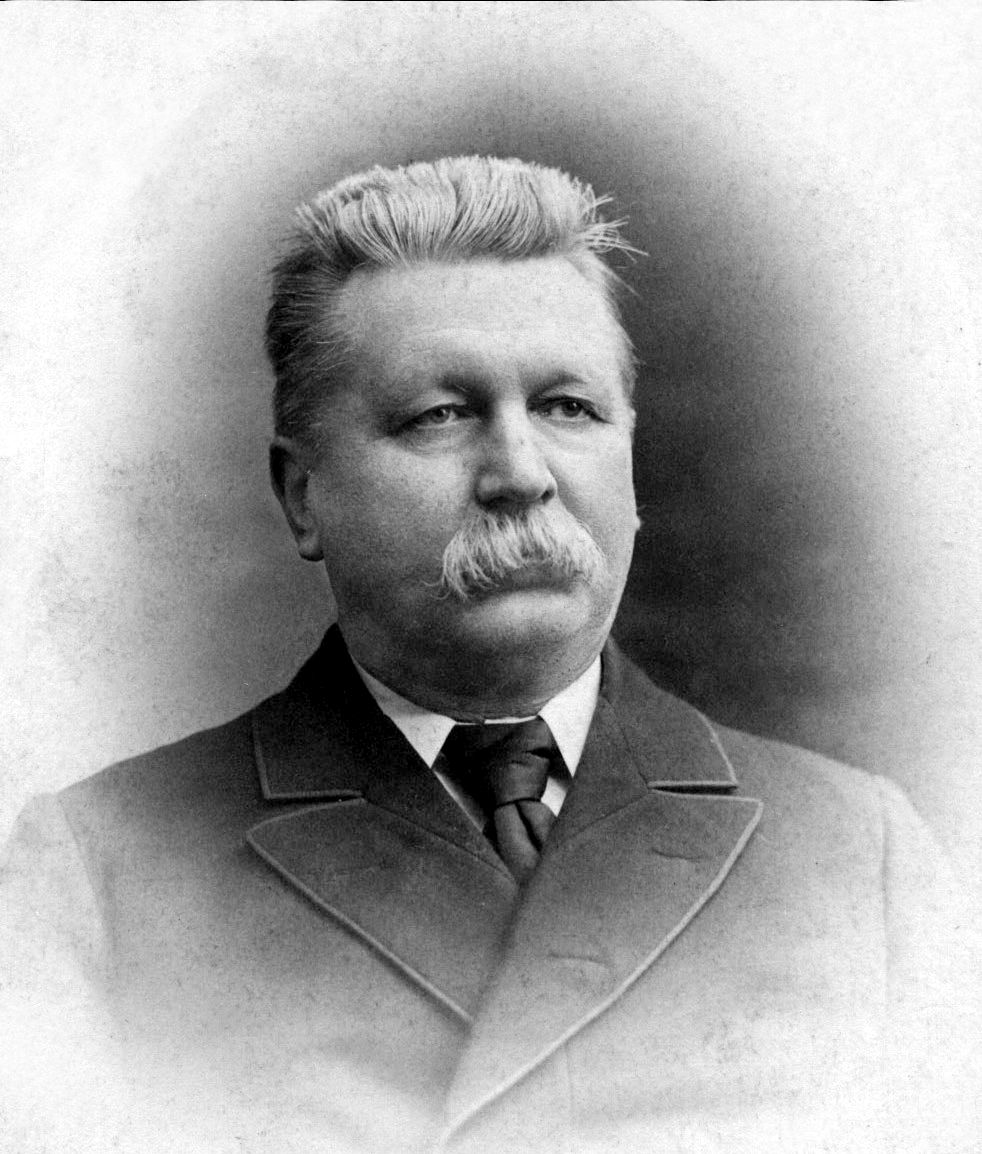
George McCall Theal
| Born | 11 March 1837 Saint John, New Brunswick, Canada |
|---|---|
| Died | 17 April 1919 (aged 82) Wynberg, Cape Town, South Africa |
| Occupation | Historian, Archivist, Author, Colonial Historiographer |
| Known for | Monumental History of South Africa series and vast documentary collections |
4. Sir George Edward Cory
Sir George Edward Cory (1862–1935) was a distinguished South African historian, chemist, and educator. Originally trained in chemistry, he later devoted himself entirely to historical research. His six-volume masterpiece The Rise of South Africa is based on exhaustive original research in archives across South Africa and Britain. Cory served as President of the Historical Society of South Africa and was knighted in 1920 in recognition of his outstanding services to South African historical scholarship. His work remains a major authority on the period 1795–1854 and is especially valued for its careful documentation and balanced treatment of the British occupation, the 1820 Settlers, the Great Trek, and frontier history.
Sources
- The Rise of South Africa Vol. 1 by George Edward Cory
British occupation of 1795, first British frontier policy, and the Dutch revolt - The Rise of South Africa Vol. 2 by George Edward Cory
Second British occupation, Lord Caledon’s administration, and slavery at the Cape - The Rise of South Africa Vol. 3 by George Edward Cory
The 1815 Slachter’s Nek Rebellion, Lord Charles Somerset, and the Xhosa frontier wars - The Rise of South Africa Vol. 4 by George Edward Cory
The 1820 Settlers, economic development, and missionary activity - The Rise of South Africa Vol. 5 by George Edward Cory
The beginning of the Great Trek, Dingane and the Zulus, and Piet Retief’s treaty - The Rise of South Africa Vol. 6 by George Edward Cory
The Battle of Blood River, annexation of Natal, and conclusion of the period - Publications of the Historical Society of South Africa – Edited
contributions by Sir George Edward Cory
Various papers and documentary collections published under his presidency
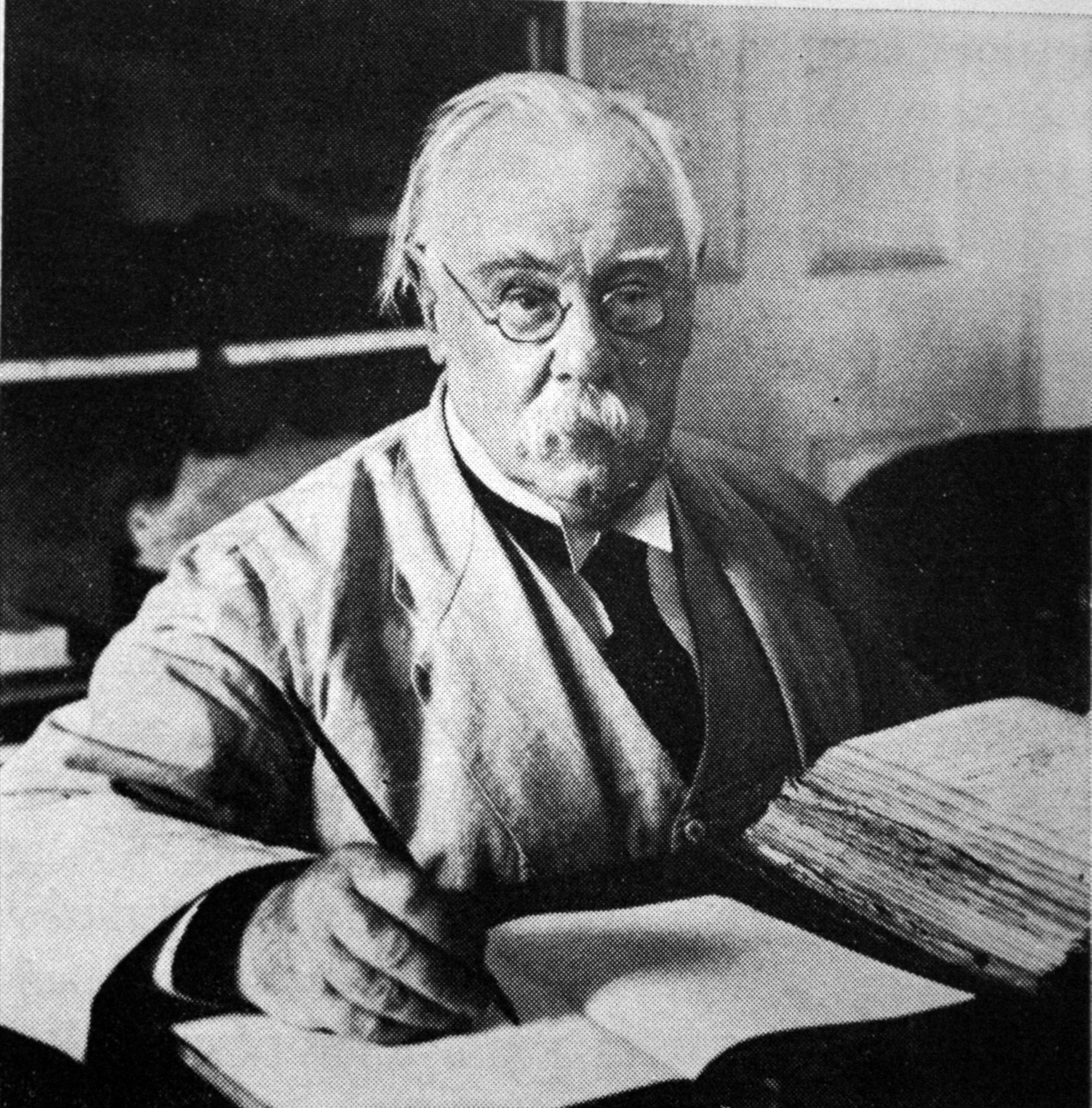
Sir George Edward Cory
| Born | 3 September 1862 Chelsea, London, England |
|---|---|
| Died | 23 April 1935 (aged 72) Cape Town, South Africa |
| Occupation | Historian, Chemist, Author |
| Known for | The Rise of South Africa (6 volumes) and meticulous documentary research |
5. Gustav Preller
Gustav Schoeman Preller (1875–1943) was a dedicated South African historian, journalist, and author who made an outstanding contribution to the preservation of Voortrekker history. He travelled widely across South Africa collecting oral testimonies and original documents from Voortrekker descendants before they could be lost to time. Through his painstaking editing and publishing work, Preller rescued and made accessible a vast body of primary sources that continue to serve as the foundation for the study of the Great Trek. His writings remain highly regarded for their dedication to historical preservation and the recording of Afrikaner cultural heritage.
Sources
- Voortrekkermense I–VI – Gustav S. Preller (1908–1938)
Monumental six-volume collection of Voortrekker letters, diaries, reminiscences, and official documents - Dagboek van Louis Trichardt – Edited by Gustav S. Preller
The only surviving diary of a major Voortrekker leader, carefully transcribed and annotated - Voortrekker Wetgewing – Gustav S. Preller
Collection of laws and governance documents created by the Voortrekker governments - Piet Retief – Gustav S. Preller
Authoritative biography together with Retief’s letters and important historical documents - Voortrekkers van Suidwes – Gustav S. Preller
Detailed history of the Voortrekkers who settled in South West Africa (Namibia) - Andries Pretorius – Gustav S. Preller
Comprehensive biography of the hero of Blood River and founder of the South African Republic - Oorlogsverhaal van die Groot Trek – Gustav S. Preller
Vivid military history of the Great Trek campaigns - Die Groot Trek – Gustav S. Preller
One-volume narrative history drawn from primary sources - Scheepers se Dagboek – Edited by Gustav S. Preller
Diary of Commandant Scheepers from the Anglo-Boer War period - Historiese Opstelle – Gustav S. Preller
Collection of important historical essays and studies
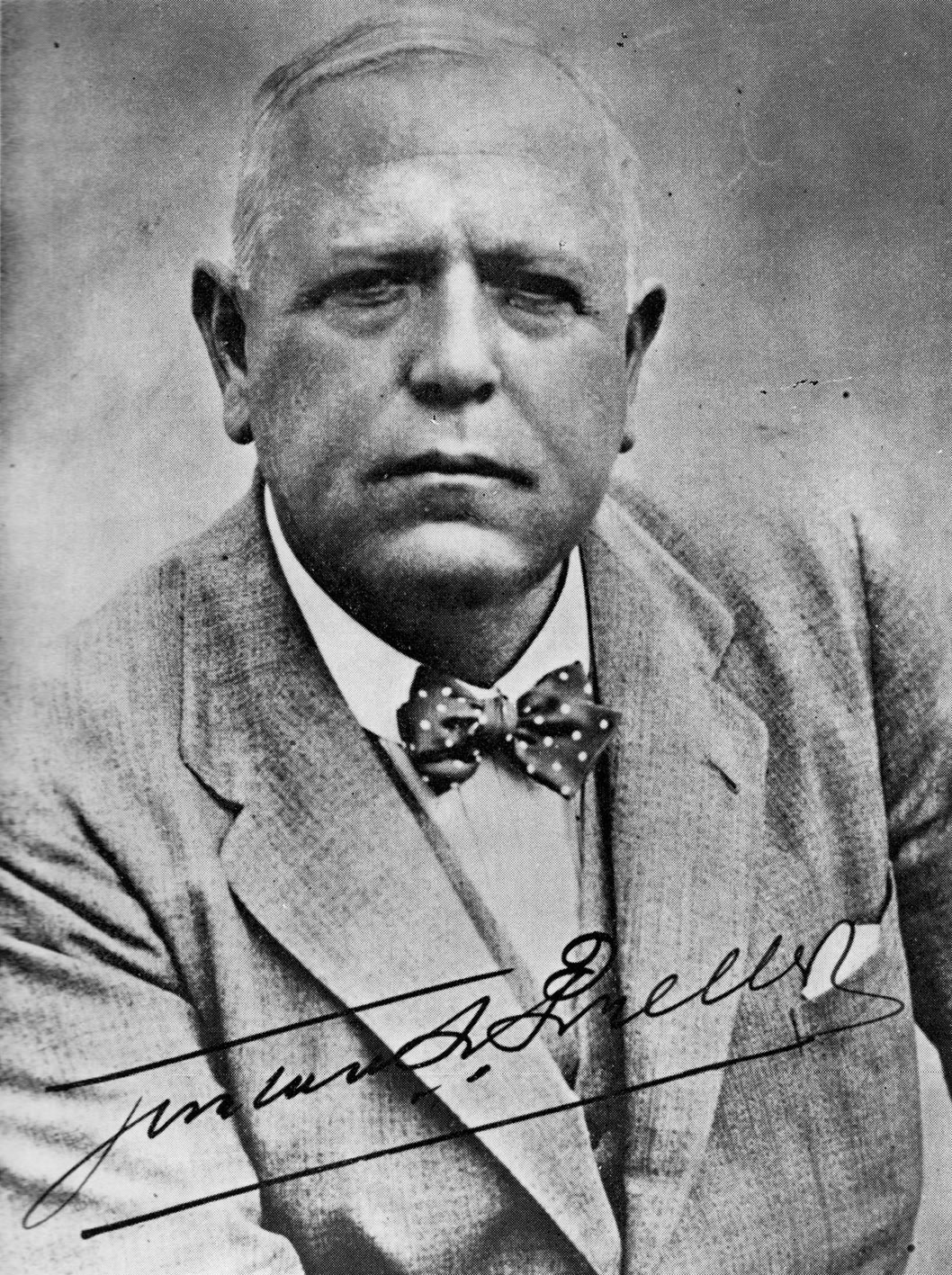
Gustav Preller
| Born | 4 October 1875 Pretoria, Transvaal |
|---|---|
| Died | 13 April 1943 (aged 67) Pretoria, South Africa |
| Occupation | Historian, Journalist, Author, Archivist |
| Known for | Preservation and publication of Voortrekker primary sources and diaries |
6. Die Konsentrasiekampe
- Die Konsentrasiekampe deur J.C. Otto, M.A., D.Phil. (1954)
Scholarly Afrikaans study of the British concentration camps in the South African War (1899–1902), covering scorched-earth policy, camp founding, housing, food, sanitation, medical care, mortality, and education; published by Nasionale Boekhandel
7. Fifty Years of the History of South Africa (J.C. Voigt)
- Fifty Years of the History of South Africa, 1795–1845 – Volume 1 by J.C. Voigt
Narrative history of the Cape and interior from the first British occupation through the early nineteenth century, covering colonial administration, frontier conflict, and the roots of trekker expansion - Fifty Years of the History of South Africa, 1795–1845 – Volume 2 by J.C. Voigt
Continuation through the later frontier wars, missionary politics, the Great Trek era, and the founding struggles of the Boer communities up to the mid-1840s
8. The French Refugees at the Cape
- The French Refugees at the Cape by C. Graham Botha
Documentary study of the Huguenot / French refugee settlement at the Cape, covering Company policy, arrival and placement, Drakenstein and related districts, church life, and the integration of French families into Cape Dutch society
9. Masters of the Castle (Hymen W.J. Picard)
- Masters of the Castle: A portrait gallery of the Dutch Commanders and Governors of the Cape of Good Hope, 1652–1795, 1803–1806 by Hymen W.J. Picard, LL.M., M.A. (C. Struik, Cape Town, 1972)
Biographical portrait gallery of successive Dutch commanders and governors at the Cape, from Jan van Riebeeck through the VOC period and the Batavian interlude; useful for office-holders, terms of rule, and personal career sketches alongside Theal, Boëseken, and the journals
10. Geskiedenis van Suid-Afrika (Van der Walt, Wiid, Geyer)
- Geskiedenis van Suid-Afrika – Deel I onder redaksie van A.J.H. van der Walt, M.A., D.Phil., J.A. Wiid, M.A., D.Phil., en A.L. Geyer, M.A., D.Phil. (Nasionale Boekhandel, Kaapstad, 1951)
First volume of a two-volume Afrikaans survey: the White man in South Africa, from Portuguese discovery and Van Riebeeck’s station through the VOC century, British and Batavian rule, the Great Trek, the republics, and reconstruction after 1902 - Geskiedenis van Suid-Afrika – Deel II onder redaksie van A.J.H. van der Walt, J.A. Wiid en A.L. Geyer (Nasionale Boekhandel, Kaapstad, 1951)
Second volume on forms of government and their development: Dutch and VOC institutions at the Cape, later colonial and republican administration, and related constitutional chapters
11. 500 Jaar Suid-Afrikaanse Geskiedenis (C.F.J. Muller)
- 500 Jaar Suid-Afrikaanse Geskiedenis / Vyfhonderd jaar Suid-Afrikaanse geskiedenis onder redaksie van Prof. C.F.J. Muller (Academica, Pretoria and Cape Town, 1968)
Collaborative Afrikaans survey of five centuries of South African history from European exploration and Van Riebeeck to the twentieth century; English edition published as 500 Years: A History of South Africa